Dubai does not lack ambition or inventory. New neighborhoods arrive with fanfare, glossy renders, and promises that look interchangeable at a glance. What separates a future classic from a short-lived headline is a mix of locational logic, build quality that ages well, and a master plan that feels coherent when the show units are long gone. Sobha Sanctuary Villas at Dubailand is shaping up to be one of those projects with staying power, and not because the brochures say so. The indicators that matter on the ground are aligning: controlled density, practical access, and a developer with a habit of over-specifying finishes in a market that often does the opposite.
Where the project sits in the Dubai map that residents actually use
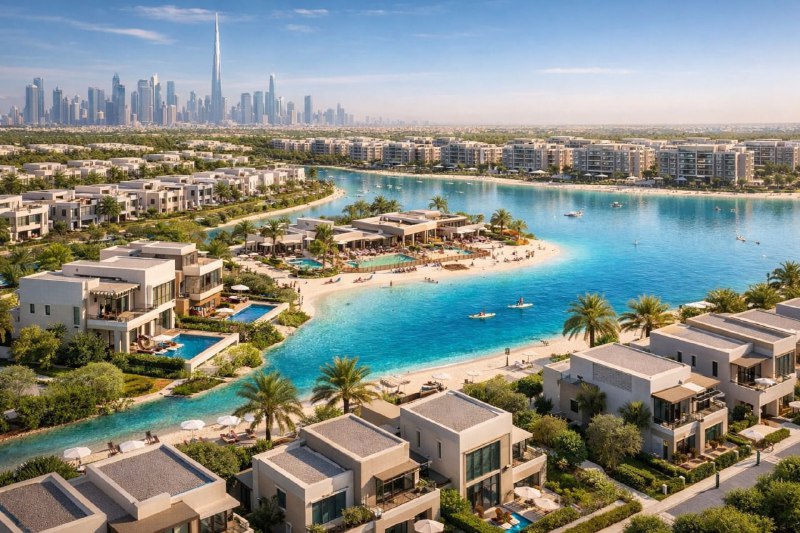
If you drive the Al Ain Road on a weekday morning, you see how Dubailand functions as a release valve for the city’s core. It offers land for larger plots without pushing households to the edge of the emirate. The Sobha Sanctuary Villas at Dubailand site sits within that band, close enough to the academic cluster and major arteries to keep commute times sane, far enough from the tallest towers to maintain quieter streets and private gardens. For buyers coming from apartments in Downtown or the Marina, the biggest shock is not the distance. It is the shift in daily rhythm, from elevator banks and valet queues to private driveways and the ability to load groceries without a dolly.
Access matters more than coordinates. From the community, you can use Al Ain Road and Emirates Road for two-sided connectivity. In practice, that means DIFC, Business Bay, and Dubai International Airport are realistic commutes, not once-a-week undertakings. Residential comfort goes hand in hand with predictability. Anyone who has sat through an unexpected detour on a Friday afternoon knows the value of a network with multiple escape routes. Dubailand, in this sense, is practical rather than flashy, and Sobha Sanctuary leans into that pragmatism.
What Sobha tends to get right
You can tell a developer’s priorities from the things they overbuild. Sobha’s reputation in Dubai has been largely earned on the back of joinery, facades, and MEP work that feels closer to European standards than local norms. Doors that close with heft. Cabinets that do not delaminate after the first humid summer. Air conditioning designed for the real thermal loads of west-facing glass, not theoretical models. In villas, these details pay dividends. They reduce churn on maintenance contracts and keep rental yields steadier because tenants know when the ducting has been thoughtfully laid out or the flooring is abrasive enough for poolside safety without feeling like sandpaper.
Sobha Sanctuary, at least by the published specifications and early releases, is aligned with this approach. Expect engineered wood or high-grade porcelain inside, quartz or premium composite counters, and ironmongery that looks consistent across the house, not like a patchwork of supplier leftovers. These touches do not show up on a pricing spreadsheet; they show up at year five when door hinges still hold true and grout lines remain straight.
The planning logic behind villas in Dubailand
Villa communities in Dubai often fall into two traps: either they are so sparse that amenities end up underutilized and expensive to maintain, or they are so crammed that privacy turns into a brochure word. Sobha Sanctuary Villas is plotted with a middle path. Plot sizes tend to allow genuine backyards, not strips of grass where you can touch the boundary wall with outstretched arms. That extra depth translates into outdoor rooms you will use, from modest lap pools to shaded dining under pergolas. Distances between back-to-back villas matter for noise and line of sight. This is where a few extra meters change the entire feel of a home.
Circulation is another tell. Community streets designed with slightly wider carriageways and thoughtful corner radii slow traffic without ugly speed bumps. Where the site plan channels entry and exit across multiple gates, peak-hour bottlenecks soften. These choices feel trivial until the school run collides with a grocery delivery and a plumber’s van.
The amenity mix buyers actually use
Most communities tout an amenities list that reads like a resort, then quietly lock half of it behind maintenance concerns. Residents end up relying on a handful of services that justify the service charge. Sobha Sanctuary’s amenity plan appears to focus on that core: pools sized for more than photos, shaded kids’ play areas with equipment that survives the UV, a clubhouse with usable indoor space, and fitness facilities that avoid the sad-treadmill-in-a-windowed-room trope. Landscapes matter in this climate. Native and adaptive species, decent soil depth, and irrigation that does not overspray onto pavements will make the difference between a community that looks lush in year one and one that still looks healthy in year seven.
Dog owners will appreciate walking loops that are continuous rather than chopped up by cul-de-sacs. Parents will notice shade canopy orientation in the afternoons. These are lived details, not merely amenities on a map.
Townhouses, villas, and the right fit for different households
There is a reason interest spans both product types in Sobha Sanctuary Townhouse and Villas. The townhouse buyer is often graduating from a large apartment. They are after a private entrance, an extra bedroom, and a small garden without the full responsibility of a freestanding home. The villa buyer wants plot control, fewer shared walls, and enough parking for guests without the HOA notes. Both are valid. The decision is not purely budget; it is lifestyle tolerance for maintenance.
In townhouse clusters, you get efficiency and a neighborly feel, especially if the layout places kitchens at the back with windows to the garden. It encourages courtyards that get used. In villas, plan depth becomes important. If a villa is too deep, natural light suffers in the center rooms. Sobha’s typical design language favors central light wells or wider footprints to pull daylight deeper inside. When touring, pay attention to stair placement and whether circulation space eats into usable area. Buyers often overvalue gross square footage and undervalue the quality of that space. A well-laid 3,500 square feet often lives better than a poorly arranged 4,000 square feet.
The buildability factor and how it affects investors
Investors watch two things more closely than marketing teams like to admit: the pace at which a developer can actually deliver and the quality that reduces post-handover claims. Sobha’s delivery record is not perfect, but it is respectable for a developer that self-performs much of its contracting. In Dubai, where entire phases have slipped by quarters or years at other projects, a predictable schedule is an asset in itself. You can structure financing, plan rentals, and even time furniture orders confidently.
For long-term investors, the equation includes service charges. Villas and townhouses in Dubailand communities often carry lower per-square-foot service fees than waterfront or high-rise properties because shared systems are simpler, and vertical transport is limited to your own stairs. Over five to ten years, this category difference materially affects net yields.

Practical life around the community
The older the city gets, the more residents judge a place by the five things they do weekly: school drop-offs, grocery runs, weekend coffee, gym, and a quick dinner when no one wants to cook. Dubailand’s maturing has brought the full set within a short drive. Within 10 to 15 minutes of Sobha Sanctuary Villas, you should find multiple school options including UK and IB curricula, a couple of mid-market supermarkets, and at least one bakery that serves coffee worth leaving the house for. Health clinics, pet services, and casual dining options tend to cluster near the community edges, which helps keep internal traffic down.
One thing that catches newcomers is the microclimate. Dubailand plots, being farther from the sea, experience marginally higher daytime temperatures and slightly cooler nights in winter, with more pronounced dust events during the windy months. It is not extreme, but it changes outdoor usage patterns. Shade structures and east-facing gardens get more love. If you plan a pool, talk to your contractor about heat gain in August and whether a built-in chiller is sensible. It sounds indulgent until you try to swim in water that has turned into a bath.
Noise, privacy, and the small design decisions that make or break daily comfort
Acoustics are rarely discussed at the sales center. They should be. In townhouses, party walls with decent STC ratings and proper slab edges make a world of difference. In villas, mechanical plant placement matters. Ask where the condenser units sit. If they cluster under a bedroom window, you will hear them cycle. Kitchen extraction needs enough power and a well-routed duct to avoid cooking smells lingering or returning through soffits. Bathrooms that share wet walls reduce pipe runs but can also concentrate noise. These choices cost little to address in design, then cost a lot to live with if they are ignored.
Privacy is not just about distances; it is about sightlines. If your garden faces a neighbor’s terrace at a higher elevation, you will feel watched. Sobha’s master plans typically use landscaping berms and staggered setbacks to break these lines. During your site visit, stand at eye level on your intended terrace and scan across. If your field of view includes a neighbor’s upstairs window, discuss screen options with the developer or plan for strategic planting.
Sustainability as experienced, not advertised
Dubai has raised the bar on building codes, and most developers are quick to badge their projects as sustainable. In villas, what really reduces consumption are three things: air tightness, shading, and sensible mechanical systems. If sliding doors seal properly and the glass is specified for the orientation, you will feel it in the electricity bill. Overhangs, pergolas, and even deciduous planting on the western exposures have a measurable effect. Efficient VRF or centralized systems with zoning cut down on the classic problem of cooling unused rooms.
Water is the other lever. Landscapes that depend on constant irrigation are typical in the desert, but there is a smarter way. Drip systems, soil amendments that retain moisture, and plant palettes selected for the particular micro-conditions of Dubailand will halve your water use without making the place look austere. Sobha’s recent communities have moved in this direction, and residents tend to appreciate lower DEWA bills more than platitudes.
Pricing dynamics and what the numbers signal
The launch prices for Sobha Sanctuary Villas sit above mass-market offerings in Dubailand and below ultraprime coastal stock. That bracket is intentional. It clips the truly speculative buyers who want to flip on paper, and it invites end users or measured investors who plan to hold for a cycle or two. Market absorption rates for quality villas in the mid to upper tier have stayed solid even as apartment volumes swing. Families that trade up from apartments often do so once, not repeatedly, which keeps resale inventory healthier. Over a three to five year horizon, mid-luxury villas with good access and tight community management have shown steady capital appreciation, often in the mid-single digits annually, with spikes during broader market upcycles.
Rental yields tell a complementary story. Freestanding villas historically yield less than townhouses on a percentage basis, but the stability of tenant profiles and lower turnover costs compensate. Townhouses in well-built communities typically command yields that are 50 to 150 basis points higher than villas, depending on bedroom count and finish. With Sobha Sanctuary, the quality gap may compress that differential because tenants pay a premium to avoid maintenance headaches.
Construction realities and what to look for during inspections
If you are buying off-plan, you accept construction risk. Mitigating it starts with documentation. Ask for detailed specifications that list brands or performance criteria rather than generic descriptions. At snagging, bring a checklist and an infrared thermometer. Thermal bridging and poor seals show up quickly on a hot day. Run every tap simultaneously, flush toilets together, and listen for pressure drops or gurgling that indicates venting issues. Check tile lippage with a coin and sight down long corridors for waviness. Open and close cabinet doors and drawers to see if they align. These are the quiet proxies for workmanship.
Exterior works deserve equal scrutiny. Boundary walls should be plumb and properly capped to shed water. Roof parapets need clear weep holes. If your villa has a flat roof, ask about waterproofing layers and warranty terms. In the garden, inspect soil depth and composition before planting. Too often, contractors lay a thin veneer over compacted subgrade, and everything struggles after a season.
The value of a strong owner association
New communities are born exciting and then settle into routines. The energy of the first year depends heavily on the interim association set up by the developer. Sobha has a track record of keeping communities orderly through clear rules, consistent enforcement, and maintenance teams that do not disappear after handover. That rigidity can irritate owners who favor a more laissez-faire approach, especially around facade changes or creative landscaping. But the flip side is resale value. Cohesion, even if it feels restrictive, protects the larger asset.
If you plan to customize, review the design control guidelines early. Do not assume you can add a second kitchen, move a boundary gate, or build a pergola without approvals. In most cases, thoughtful proposals get accepted, but the process takes time. Budget both money and patience.
How Sobha Sanctuary compares within its peer set
In a city where every announcement claims uniqueness, the sober comparison is more useful. Within Dubailand and adjacent districts, you have a spectrum: mass-market communities with wide inventory, boutique enclaves with limited stock, and a few master-planned areas that aim higher in finish and community standards. Sobha Sanctuary Villas competes toward the upper middle of that range. It does not chase the showy flourishes of beachfront addresses, and it does not cut to the bone on materials. The focus sits on livability: kitchens that people cook in, bathrooms that feel like personal spaces rather than tiled echo chambers, and outdoor areas that survive summer and get used in winter.
For buyers deciding between Sobha Sanctuary Villas and comparable offerings, the decision often narrows to two questions. First, how much do you value construction quality you can feel? Second, how important is a long-term community feel that avoids over-commercialization? If both rank high, the project earns its place on the shortlist.
A buying path that respects due diligence
Buying a villa or townhouse is part aspiration, part spreadsheet. The cleanest transactions follow a simple cadence that keeps emotion in check:
- Define your non-negotiables: commute bounds, bedroom count, plot orientation, budget range, and handover timeline. Share this in writing with your agent or the developer rep. Visit the site at different times: weekday morning, late afternoon, and a weekend evening. Note traffic flows, noise, and sunset glare. Stress-test the floor plan: map your furniture, consider storage, and plan for two staged life events, like a newborn or a live-in helper. Read the owners’ association rules: focus on alteration guidelines, pet policies, parking, and facade controls. Model the running costs: service charges, DEWA in summer, pool maintenance, landscaping, and annual AC servicing. Compare these with your current outgoings to avoid surprises.
Where this address could be in five years
Cities reprice neighborhoods when they prove consistent. If Sobha Sanctuary Villas at Dubailand delivers as specified, maintains sensible service charges, and brings its retail and community elements online smoothly, it will form part of the small club of inland addresses that people name without explanation. That status does not arrive from a single feature. It accrues from mornings that go smoothly, gardens that stay green without constant attention, and houses that do not creak when the temperature swings.
For families stepping up to more space, for investors who prefer tangible quality to fads, and for end users who want a quiet base with credible access, Sobha Sanctuary Villas justifies the attention. It respects the rhythms of how people actually live. It layers practical planning over thoughtful design. And it occupies a slice of Dubailand that feels poised rather than speculative.
Final thoughts for specific buyer profiles
If you are moving from a two-bedroom downtown apartment with a toddler and a second child on the way, the townhouses in Sobha Sanctuary Townhouse and Villas Living in Sobha Sanctuary townhouses are the gentle transition. You will gain a garden, a bedroom, and a calmer daily cadence without managing a large plot from day one. Keep an eye on storage: prams, bikes, and the inflatable pool all need homes.
If you are a multigenerational household, the larger villas solve long-stay guest logistics and create separation between public and private spaces. A ground-floor suite is worth more than the extra media room upstairs. Make sure the circulation supports independent movement so guests and family can coexist without friction.
If you are a yield-focused investor, shortlist the three-bedroom townhouse layouts in corners or slightly larger plots. Corner units command premiums in both rent and resale because of light and privacy. Avoid over-customizing. Tenants pay for functionality and condition, not bespoke stone.
And if you are the buyer who values quiet craft over spectacle, the Sobha Sanctuary Villas will likely feel right. Walk the site. Touch the finishes. Listen at the doorframes. Quality has a sound. In a market full of volume, that quiet can be the most persuasive signal.